Getting there
Finding the Cordoaria meeting point
Where the fado concert meets, beside the Cordoaria garden and the Clérigos tower, how to walk there from São Bento, and what the garden and tower are.
See open fado dates ↗Quick answer
You meet beside the Cordoaria garden and the Clérigos tower in the old centre of Porto; your voucher gives the precise spot. The 18th-century tower is visible from much of the city, so steer by it. From São Bento station it is a short walk. Allow time, wear shoes with grip, and remember the concert involves steps.
The meeting point
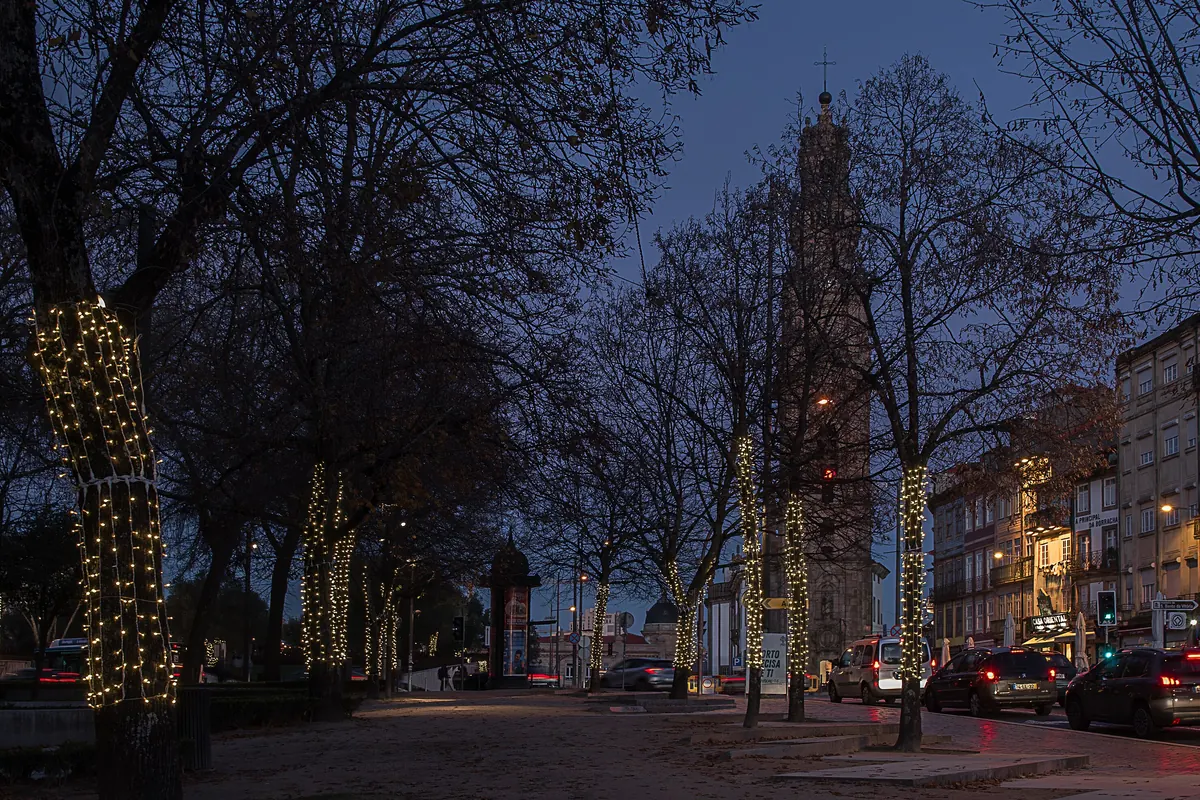
The concert’s meeting point is next to the Cordoaria garden and the Clérigos tower. The exact place, and the start time for your date, are printed on your voucher, so keep it on your phone. Staff are on hand to help, and with the voucher there is no ticket queue. If you are early, the garden is a pleasant place to wait, with the tower lit above the rooftops.
The garden
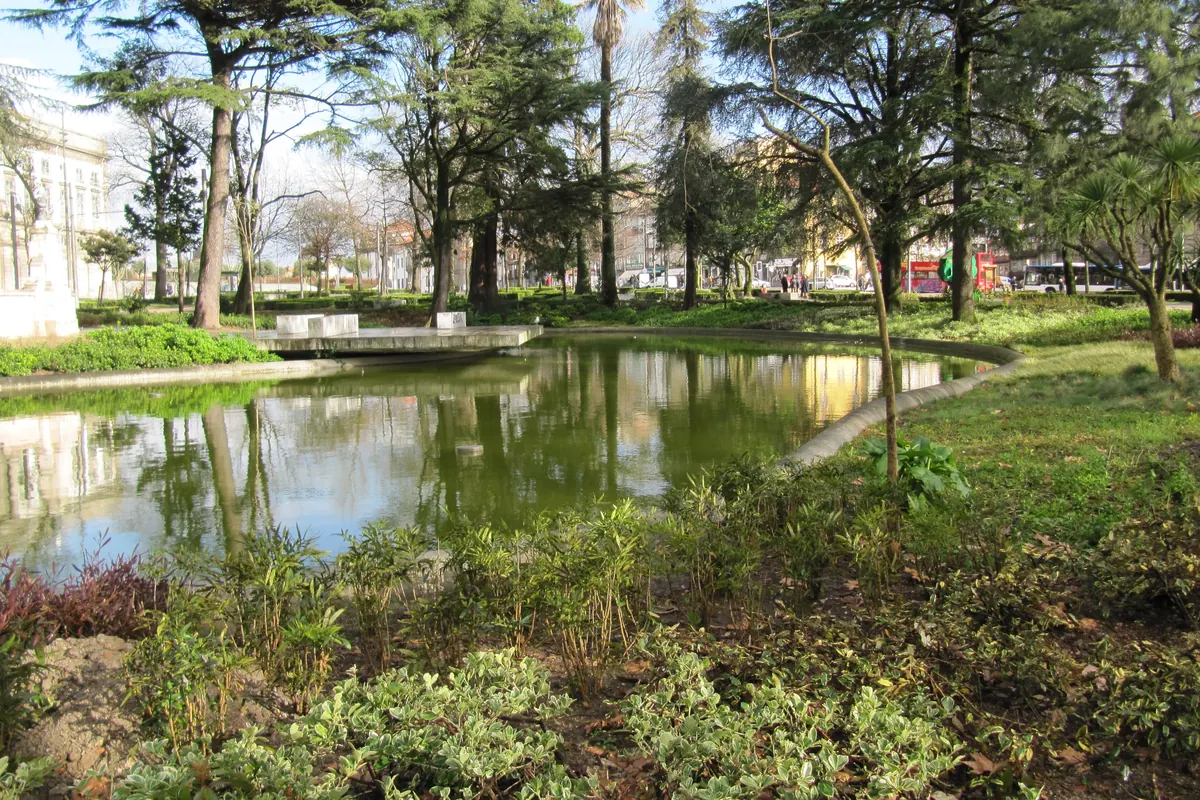
Its formal name is the Jardim de João Chagas, but almost everyone calls it the Jardim da Cordoaria. Portuguese Wikipedia records that it was founded in 1865 by the Viscount of Vilar d’Allen to a design by the German landscape gardener Émile David, that a cyclone in 1941 changed much of its romantic layout, and that it was remodelled for Porto’s year as European Capital of Culture in 2001. Among its sculptures is a group by Juan Muñoz from 2001, “Treze a rir uns dos outros”.
The tower
Nicolau Nasoni, an Italian architect and painter, designed the Clérigos Church for the Clergy’s brotherhood; work ran from 1732 to 1750. Its tower, finished in 1763, stands 75.6 metres high at the back of the church and has become a symbol of the city; according to English Wikipedia, 240 steps climb to the top of its six floors. Nasoni asked to be buried in the church’s crypt. From the meeting point you will look straight up at it.
From São Bento
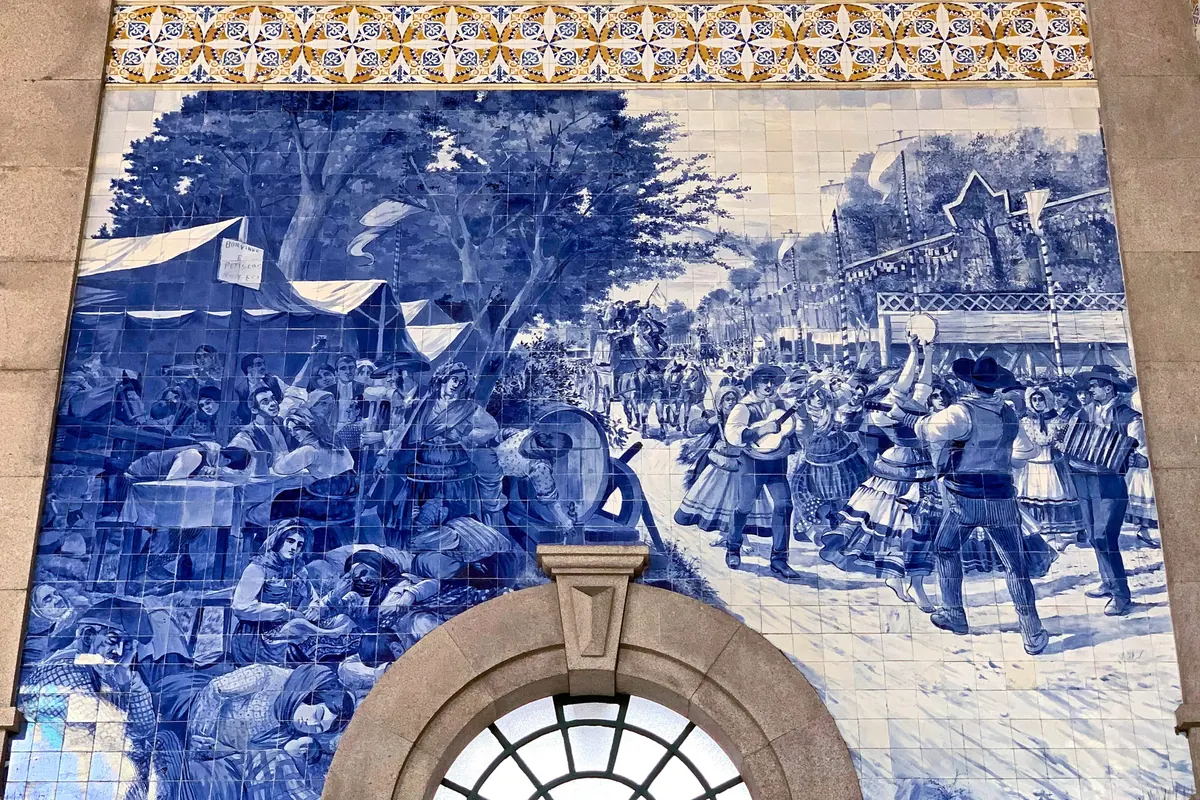
São Bento, the railway station in the historic centre, is a short walk from the Cordoaria. Before you leave, look up in the station hall: Jorge Colaço painted its tile panels, roughly 20,000 azulejos in all, depicting moments from Portugal’s history and scenes of rural life, inside a building by the architect José Marques da Silva, raised where a Benedictine convent once stood. The station lies inside the historic centre that UNESCO listed in 1996.
Hills and steps
Porto is a city of slopes, and the old centre’s pavements are stone. Allow more time than a map suggests and pick shoes that grip. Wheelchairs cannot be accommodated at the concert, and the building has steps. If anyone in your group struggles with stairs, send a message to the club through GetYourGuide before you book rather than finding out at the door.
After the concert
The concert ends with a short talk and a chance to meet the musicians, and then you are back in the old centre with the evening ahead. The Baixa, Porto’s lower town, is close by, with no shortage of places to eat. If you came by train, São Bento is a short walk back. The church and tower of the Clérigos stand right by the meeting point, and they reward a separate visit by daylight, when you can take in Nasoni’s Baroque front at leisure. For a later return to your hotel, taxis are the simplest choice after dark, since Porto’s streets are steep. Keep the voucher until you have left the room, in case the staff need to check it, and take a last look at the tower on your way out.
Read next: A Porto day before the fado
Sources