Clube Real Fado Guide
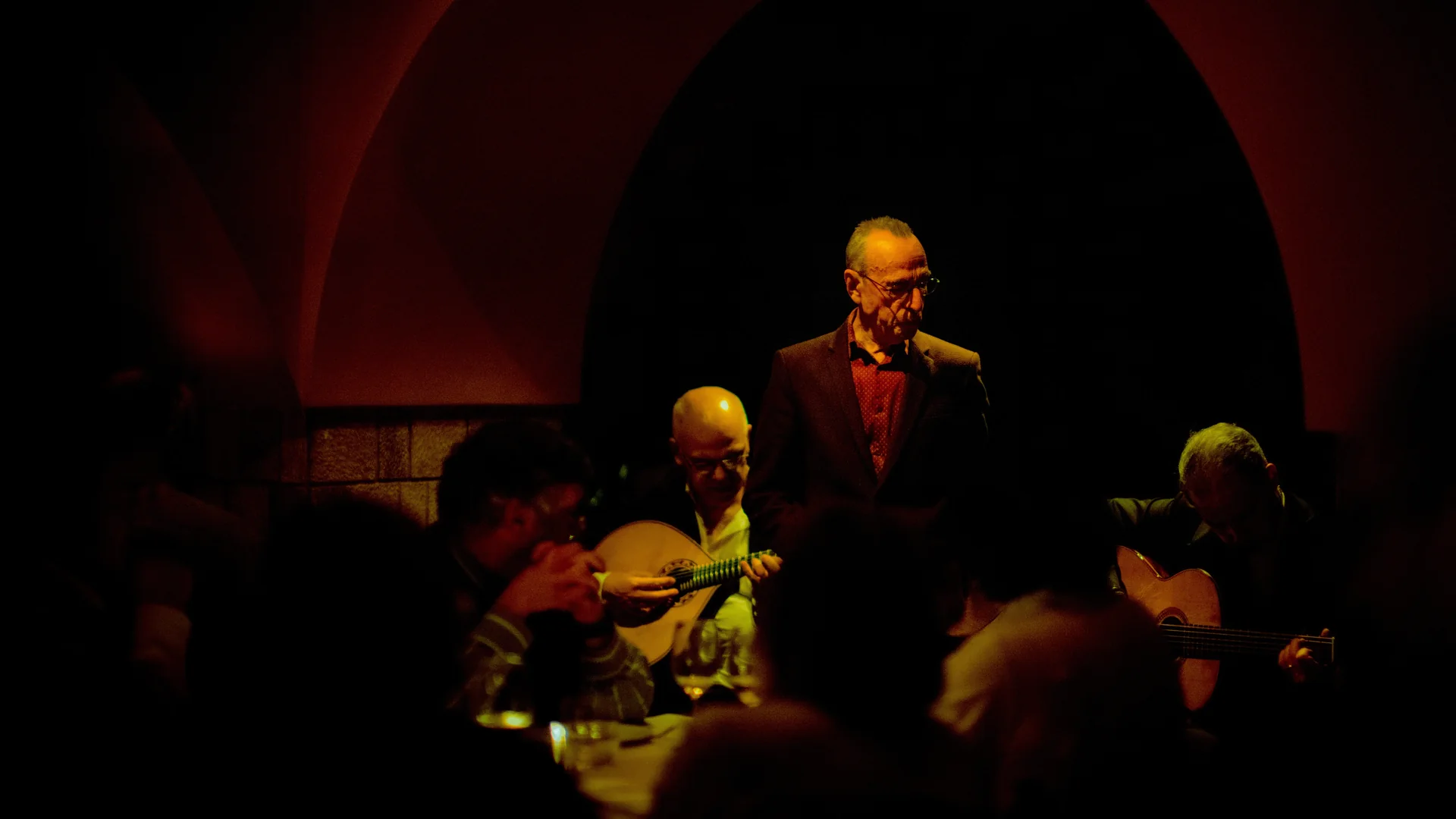
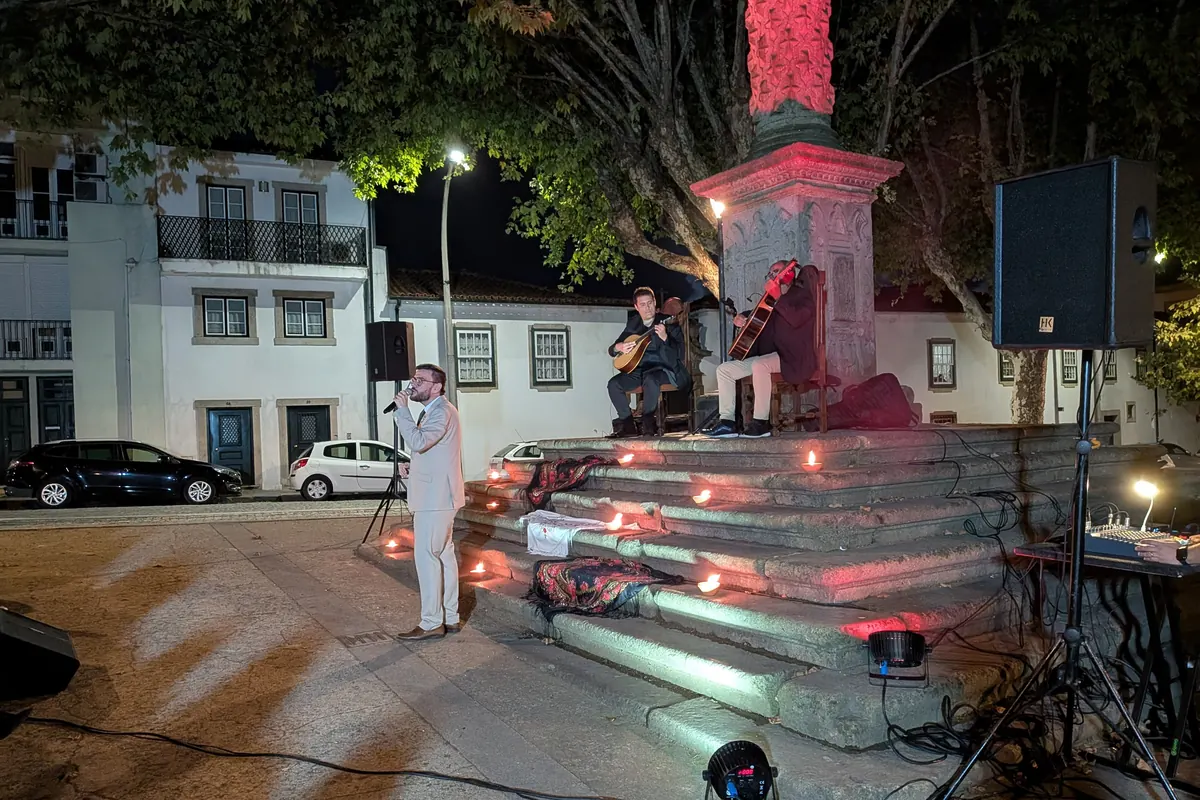
A fado singer stands beneath a lit arch between a Portuguese guitarist and a classical guitarist, with listeners in shadow at their tables

Cordoaria · Porto

Hear two voices trade fado in an old Porto club

4.8 (290 verified reviews · GetYourGuide)

A male and a female singer share an hour of fado with two guitars in a century-old Porto room, wine included.

The concert runs in two sets, with the story of fado told only at the end.

Worth it? The answer first

Is this Porto fado concert worth it, and how is it different?

In short. Yes, if you want an hour that is all music. The concert is a seated hour of live fado in two sets, sung by a man and a woman with a guitarra and a classical guitar at their side, a glass of Portuguese wine in your hand, and a brief talk on the history of fado at the very end in English, French, Spanish or Portuguese. Porto has plenty of rooms where fado is sung; what sets this one apart is that pairing of two voices across two sets, the four-language talk, and the chance to speak with the musicians afterwards. The building is not step-free and the concert is not open to under-sixes.

What it is

Sixty minutes of acoustic fado in a small room in central Porto, in two parts, with the talk saved for the end. One glass of wine is poured for you so that it does not interrupt the singing. When the last song ends, the musicians stay to talk.

What it isn’t

No dinner comes with it, and no food at all. Nor is it a staged show with lights, dancers or a narrator, and nobody explains each song as it comes; the introduction to fado is short and comes last. The glass of wine is a single glass, not a pour that keeps going.

Inside a fado house

The customs of a fado house

Nobody hands you a list of house rules at a fado concert, yet regulars keep the same habits, and knowing them makes the hour easier to enjoy. These are the customs that fado houses keep, set out with their sources. None of them describes this concert’s own running order or songs, which belong to the musicians and change.

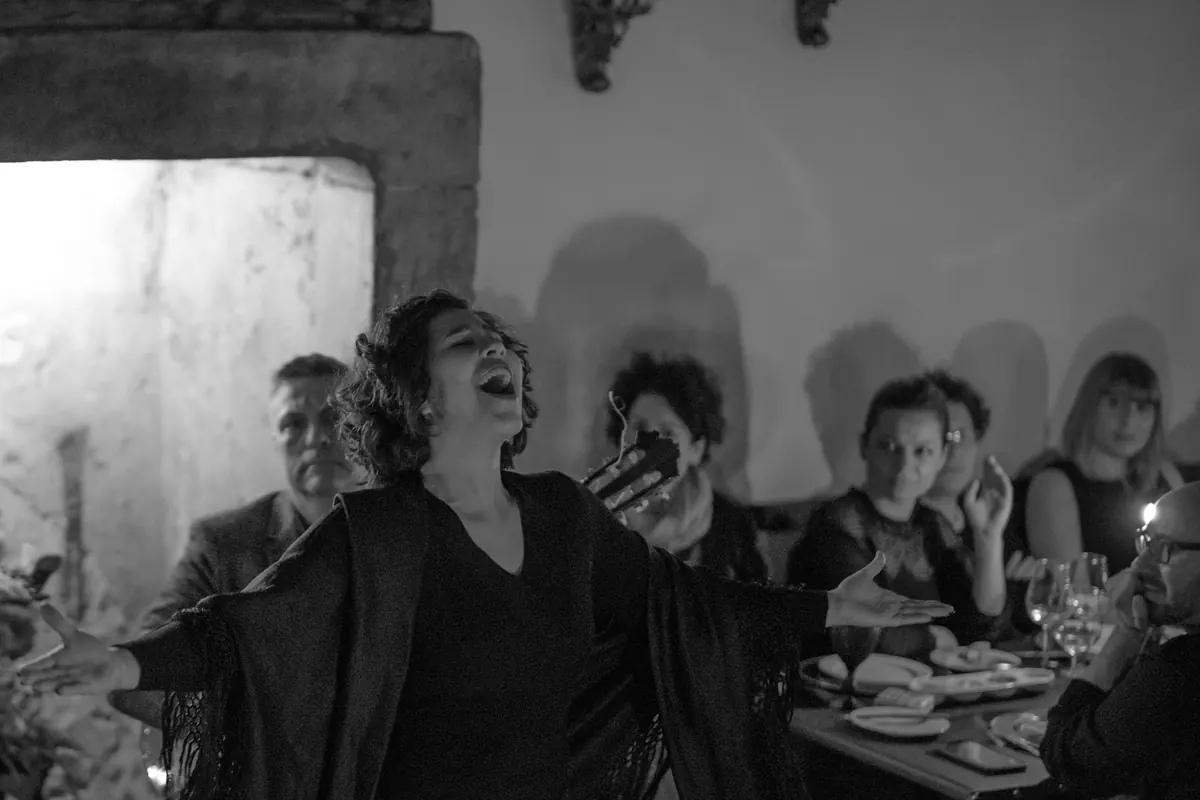
Black and white photo of a fado singer with a fringed shawl over her arms, singing with her head thrown back between the tables of a small room
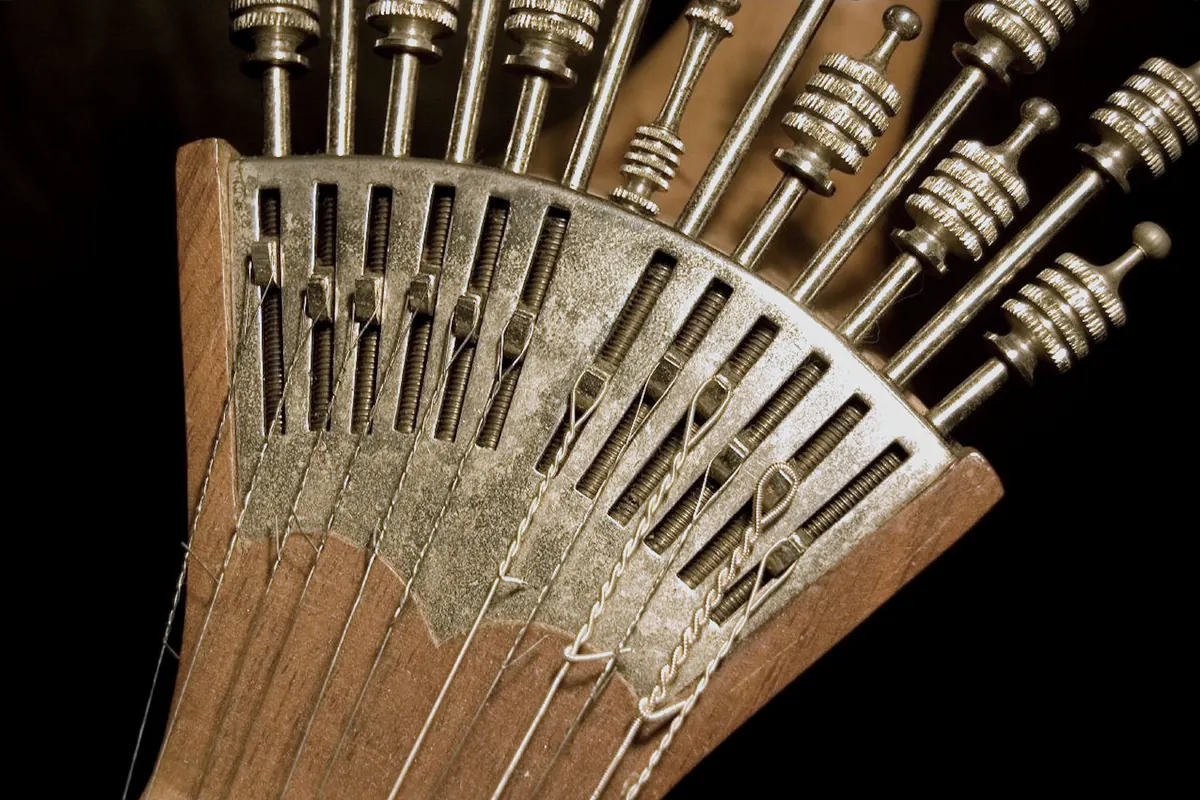
The fan-shaped watch-key tuners on the head of a Portuguese guitar, each string wound round a small brass screw
  1. The call

    “Silêncio, que se vai cantar o fado”

    The line means “silence, fado is about to be sung”. Fado houses use it to hush the room before a singer starts, and Portuguese Wikipedia notes that some credit it to Filipe Pinto, a fadista who was one of the most popular presenters of his day. When you hear it, or simply see the guitarists settle, conversation stops.

  2. The hush

    Quiet while the song lasts

    From the 1930s, the Fado Museum in Lisbon explains, hearing fado turned into a ritual of its own inside the fado houses of the old quarters, the Bairro Alto above all. The custom that survives is simple: no talking, no clinking and no phones held up during a song. Applause and conversation wait until the final note has faded.

  3. The shawl

    Black clothes and the shawl

    Portuguese Wikipedia describes the professional fadista of the 20th-century fado houses as dressed in black, “like the darkness of the silent night”. The shawl belongs to the same picture: the Fado Museum gave its very first temporary exhibition to the shawl and its importance in the fadista’s world. You may well see one drawn around a singer’s shoulders.

  4. Two guitars

    One guitar answers, one keeps time

    In UNESCO’s description one singer, a man or a woman, is joined by an acoustic guitar strung with wire and by the guitarra, the twelve-string, pear-bodied cittern found only in Portugal. English Wikipedia says that in the Lisbon manner the guitarra opens alone and then trades phrases with the singer, call against response, while the viola, the acoustic guitar, carries harmony and beat.

  5. The voice

    The held note

    English Wikipedia picks out rubato as fado’s particular trait: as a phrase closes, the guitars stop and let the singer stretch the last note. Much of the drama sits in those suspended endings. Watch the guitarists; they wait on the singer, not on a count.

  6. Coimbra

    The exception: men in student capes

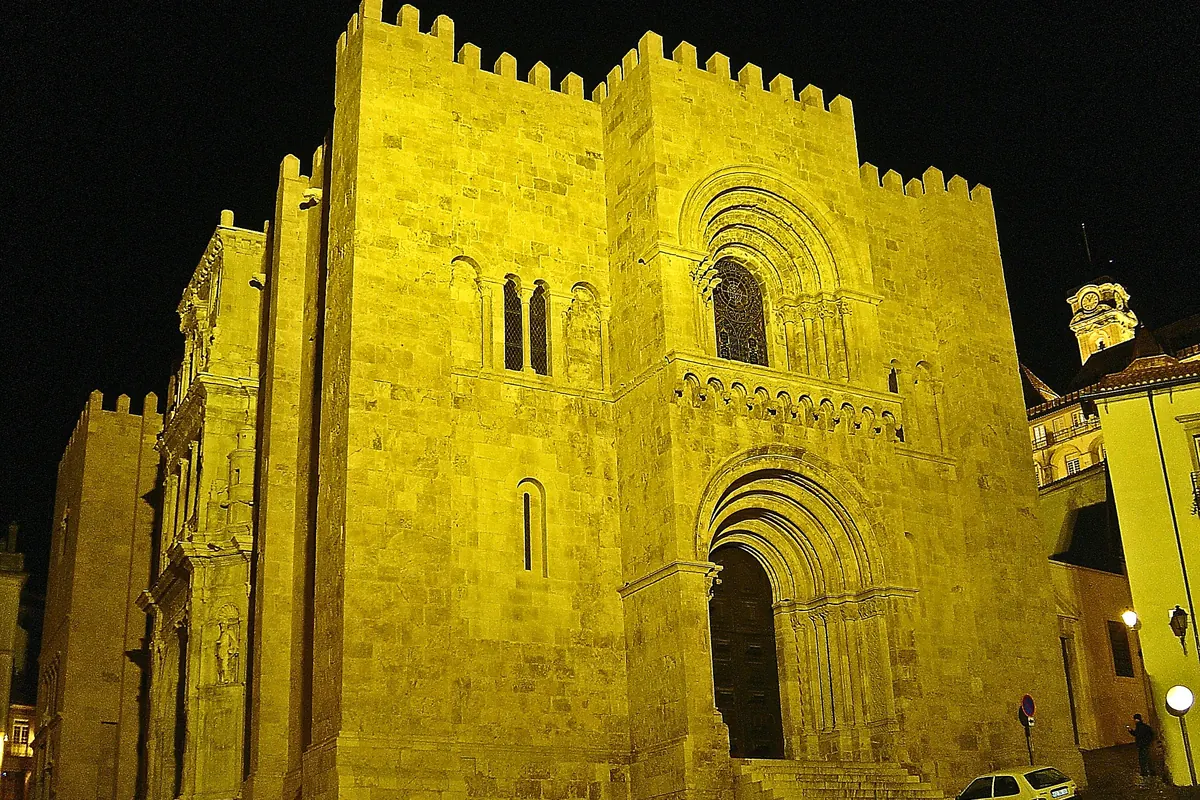
    Fado has a second tradition, from Coimbra. Wikipedia explains that it is tied to the city’s university, sung only by men who wear the student dress of dark robe and cape, at night and almost in the dark, in squares and on the steps of the Old Cathedral. Its guitar is built differently and tuned lower than the Lisbon model.

Sources: UNESCO’s 2011 inscription of fado; the Fado Museum, Lisbon (history pages and exhibitions); English and Portuguese Wikipedia articles on fado, the Portuguese guitar and Filipe Pinto.

From the door to the last chord

How the hour unfolds

Start times differ by date and are printed in the calendar and on your voucher. The songs are the musicians’ choice and change from night to night; what follows is the outline every hour shares, not a set list.

  1. Arriving

    Find the meeting point

    You meet beside the Cordoaria garden and the Clérigos tower; the voucher gives the exact spot. Staff are there to help you.

  2. First part

    Guitars, then a voice

    The guitars start, a singer begins, and the room goes quiet. Your glass of wine is served so that it never cuts across a song.

  3. Second part

    Two voices, one hour

    Both parts belong to the same pair, a man and a woman, with the same two guitars beside them. How they divide the songs is theirs to decide; the pairing is the heart of this concert.

  4. Last minutes

    What fado is, briefly

    Only now does someone explain fado’s history and meaning, in English, French, Spanish or Portuguese. It is short; the guides on this site go further.

  5. Afterwards

    A word with the musicians

    Stay a moment and you can talk to the singers and guitarists. Questions about the guitarra are a good place to start.

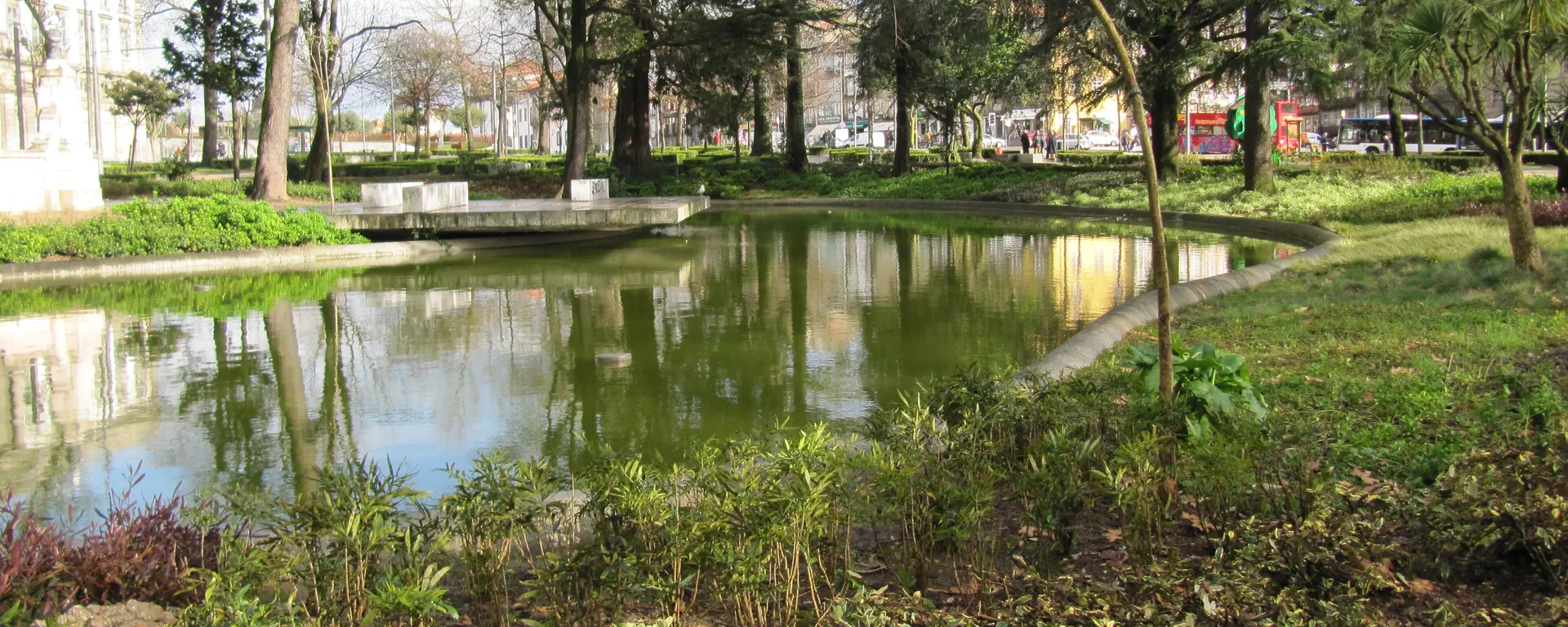
The pond in the Cordoaria garden, ringed by lawns and tall trees, with the city’s houses beyond

Two centuries in six steps

Where fado came from, in six dates

Fado’s early years were handed down by word of mouth, so its history mixes firm dates with a good deal of legend. These six points rest on the sources named below.

  1. 1780s

    A guitar for Porto’s merchants

    English Wikipedia traces the Portuguese guitar to the cittern. A new kind, the so-called English guitar, reached Portugal around 1750, and by 1786 those made by the luthier Simpson were in high demand. Porto’s new merchant class took it up for music at home, long before fado claimed it.

  2. 1820s

    The first traces

    According to the musicologist Rui Vieira Nery, whose words Wikipedia quotes, what can be trusted about fado’s past was handed down by mouth and reaches back no further than the 1820s and 1830s. The genre itself may be older; its roots are disputed.

  3. 1840s

    Severa sings in the taverns

    Maria Severa Onofriana, born in Lisbon in 1820 and dead of tuberculosis at 26 in 1846, is regarded as the first fado singer to become famous. She sang and played the Portuguese guitar in Lisbon’s taverns, and her story became the first Portuguese sound film in 1931.

  4. 1930s

    The fado houses

    After a 1927 decree regulated public shows, performers needed licences and approved repertoires. In the Fado Museum’s account, the 1930s above all made the fado house, clustered in Lisbon’s old quarters and especially the Bairro Alto, the ritual home of the song.

  5. 1950s

    Poets and the wider world

    With the composer Alain Oulman, Amália Rodrigues brought the verse of published poets into fado, and fado’s reach abroad grew around her. In Coimbra the same decade, student singers turned to ballads and poetry as a form of resistance to the dictatorship.

  6. 2011

    UNESCO

    In 2011 UNESCO added fado to its list of humanity’s intangible heritage, calling it a genre that weds music to poetry, and a Portuguese blend of sung dances, rural song and the urban songs of the early nineteenth century.

Sources: English Wikipedia (Fado; Portuguese guitar; Maria Severa Onofriana; the Coimbra tradition), the Fado Museum’s history of fado, and UNESCO’s Intangible Cultural Heritage page on fado.

Ticket terms, plainly

Inside the ticket, and outside it

Every term worth knowing before you book, in one list.

The room
Clube Real do Fado, a small acoustic room in a building about a century old in the centre of Porto, laid out in the spirit of a traditional fado house.
Included
Entry, the one-hour concert, a glass of Portuguese wine, the short introduction to fado at the end, help from the staff, and time with the musicians afterwards.
Not included
Getting there and back, professional photos or recordings, souvenirs, tips and anything else you buy.
Length
One hour, in two parts.
Languages
Fado is sung in Portuguese. The closing talk is given in English, French, Spanish or Portuguese.
Age
Children must be six or older to attend.
Access
Not suitable for wheelchair users; plan for steps.
Meeting point
Beside the Cordoaria garden and the Clérigos tower. Your voucher gives the precise spot.
Paying
Book your seat today and settle up later if you prefer; the voucher spares you any ticket queue.
Cancelling
Cancel through GetYourGuide with a full day to spare and the whole price is returned; any later, the booking stands.

Fado or tuk-tuk

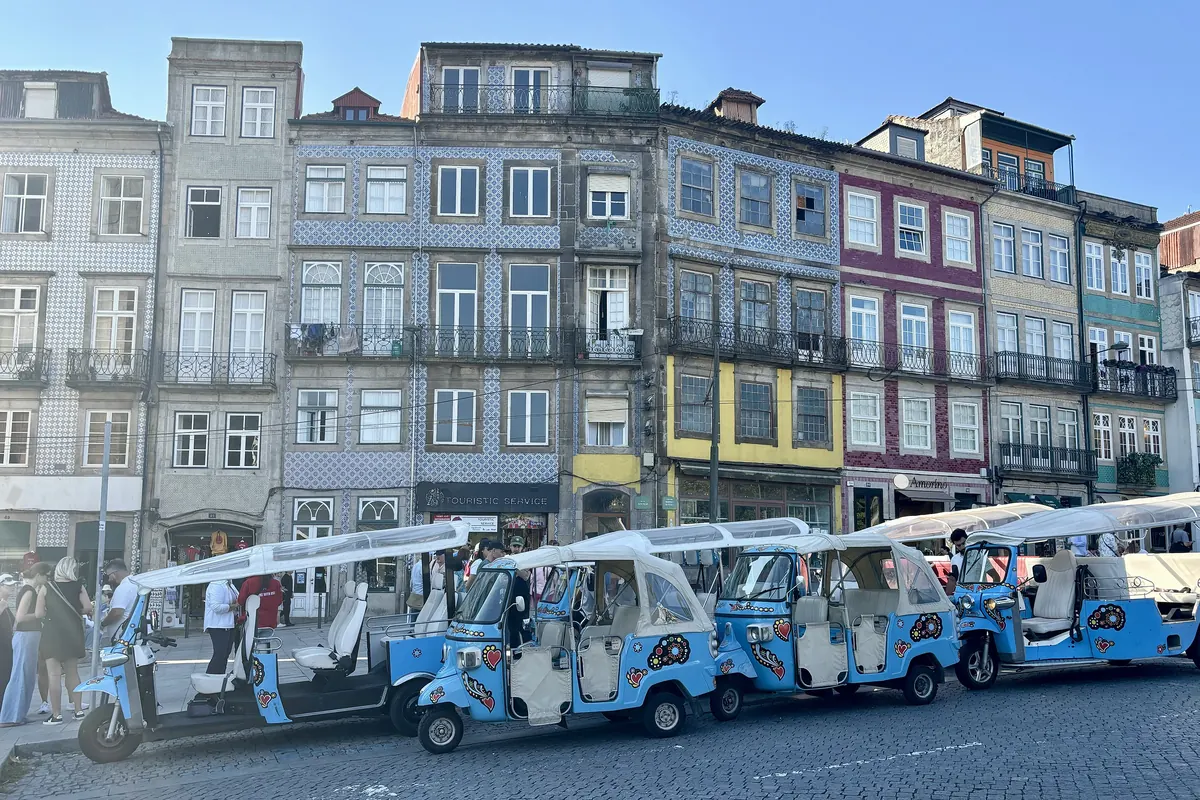
The fado hour or the tuk-tuk and river ride

Fado concert
Tuk-tuk and river
Length
One hour
About 50 minutes; 105 with the cruise
Time of day
Times shown per date
Cruise sails in daytime hours
What fills it
Two singers, two guitars
Old-town sights, then six bridges
Included
One glass of wine
Ride; cruise ticket if chosen
Talk
Short, at the end, four languages
Live guide in four languages
Not for
Under-sixes, wheelchair users
Wheelchair users, pregnant travellers
Cancel free
Up to a day ahead
Up to a day ahead

Fado first, then the rest of Porto

Fado, a tuk-tuk ride, the Douro valley and the Minho

The concert is the first card. Next to it sit the tuk-tuk and river ride it is compared with below, a full day in the Douro wine country and a day trip north to Braga and Guimarães. Every card opens the calendar for that trip alone.

Fado concert with a glass of wine

4.8 · 290 reviews · From US$15

An hour of live fado in two sets from one male and one female singer, backed by a guitarra and a six-string classical guitar, a glass of Portuguese wine, and a short talk on fado at the end. Not for under-sixes or wheelchair users.

Check this trip’s dates ↗

Tuk-tuk ride with a river cruise

4.5 · 7,550 reviews · From US$22

About 50 minutes by electric tuk-tuk past the cathedral, São Bento and the Clérigos tower, with an optional 55-minute rabelo cruise under the six bridges, sailing in daytime hours on an open ticket.

Check this trip’s dates ↗

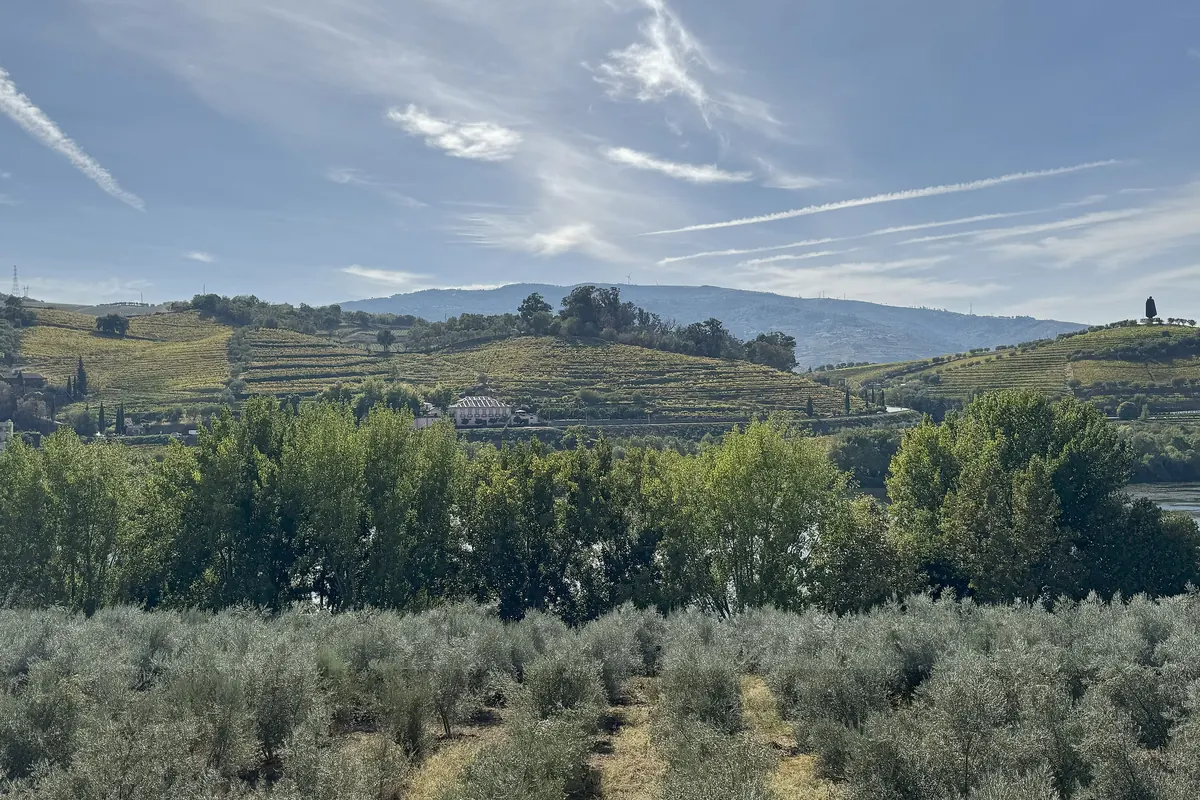
Douro valley wine day

4.7 · 9,516 reviews · From US$56

A guided day from Porto to the terraced Douro valley: tastings at a family estate and a second wine estate, a one-hour river cruise at Pinhão, and a winery lunch on the full-day option.

Check this trip’s dates ↗

Braga and Guimarães day

4.6 · 4,838 reviews · From US$53

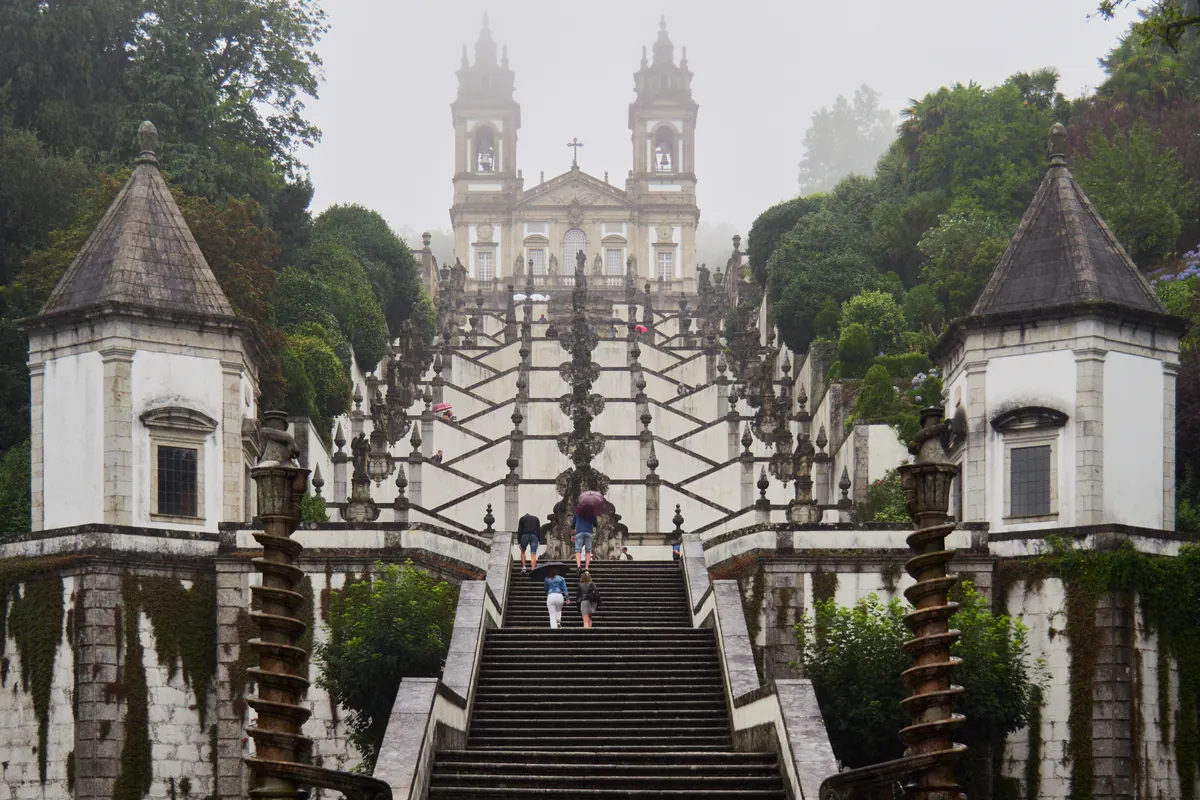
About nine hours in the Minho with a guide: the Bom Jesus do Monte stairway, Braga’s old centre and cathedral, then the castle and medieval streets of Guimarães. Lunch is not included on the shared tour.

Check this trip’s dates ↗

Choose your fado evening

Every date carries its own start time. Pick your currency to see the total before checkout. Holding a seat costs nothing up front, and cancelling a day or more ahead returns all of it.

Other Porto bookings worth a look

Browse all Porto bookings ↗

Before you head to the Cordoaria

Getting there, and a few things to settle

Where to meet

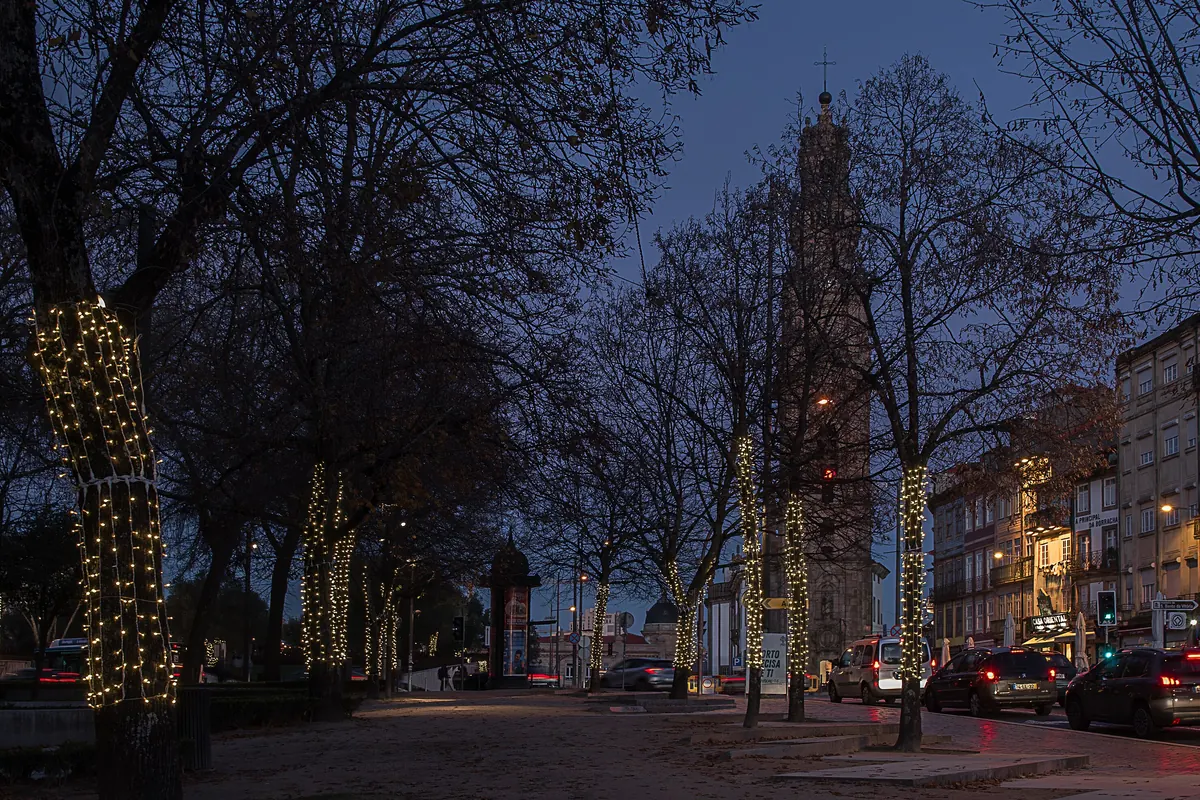
Beside the Cordoaria garden and the Clérigos tower, in the old centre of Porto. Visible across much of the city, the tower is a handy marker; the exact spot is on your voucher.

On foot

São Bento railway station, inside the historic centre, is a short walk away. Porto is hilly: leave a margin and choose shoes that hold on stone pavements.

Steps

Wheelchair users cannot be accommodated, and the old building has stairs. Anyone who struggles with them should write to the club through GetYourGuide first.

Children

Under-sixes cannot come. Older children are welcome, but an hour of quiet listening asks a lot of a restless ten-year-old.

Bring

Your voucher on your phone, then switch the phone to silent. Recording services and professional photos are excluded from the ticket, and fado is better heard than filmed.

After the last song

When the musicians have finished talking, the Baixa, Porto’s lower town, is a short walk away for dinner.

FAQ

Questions people ask before the guitars tune up

Is this Porto fado concert worth it?

For most first-time listeners, yes. You get an hour of live fado from two singers, a man and a woman, backed by the twelve-string guitarra and a classical guitar, plus a glass of wine and a short talk about fado at the end. It is a concert, not a dinner or a staged show, and the building is not step-free.

How long is it, and how is the hour split?

One hour, in two parts. The singers share the two sets, the wine is served without interrupting the songs, and the introduction to fado comes in the last minutes. Each date has its own start, shown in the booking calendar and repeated on the voucher.

When is fado explained, and in which language?

At the end, after the music, in English, French, Spanish or Portuguese. It is brief: a few minutes on the history and meaning of fado, not a commentary on each song. If you want more before you go, start with this site’s listening guide.

Is there food?

No. The ticket includes one glass of Portuguese wine and no food. Eat before or after; the Baixa, Porto’s lower town, is a short walk away and full of places to eat.

Can children come?

Children under six cannot attend. Older children are welcome, though the concert asks for an hour of near silence, so it suits children who already enjoy live music.

Is it wheelchair accessible?

No. Wheelchairs cannot be accommodated, and the building, about a century old, has steps. If climbing stairs is difficult for someone in your party, write to the club through GetYourGuide before you book.

Where do I go?

Beside the Cordoaria garden and the Clérigos tower in Porto’s old centre; the voucher pins down the exact spot. São Bento railway station is within walking distance.

What if my plans change?

Give at least a day’s notice through GetYourGuide and the full price is returned. Payment itself can wait: the booking lets you hold the seat first and pay nearer the date.

Can I film the songs or talk to the musicians?

Keep phones down while a song lasts; silence is the custom in any fado house, and recordings are not part of the ticket. After the last song you can talk to the singers and guitarists.

Who is behind this website?

An independent writer, not the club. This site is not the club’s or the concert organisers’ website and has no affiliation with either. Bookings made from this guide go through GetYourGuide, and some earn this site a modest commission; what you pay does not change.

Two voices, two guitars, one glass of wine, and an hour in which the room keeps quiet for the song.

See open fado dates ↗
Choose your fado nightHold a seat now, pay later